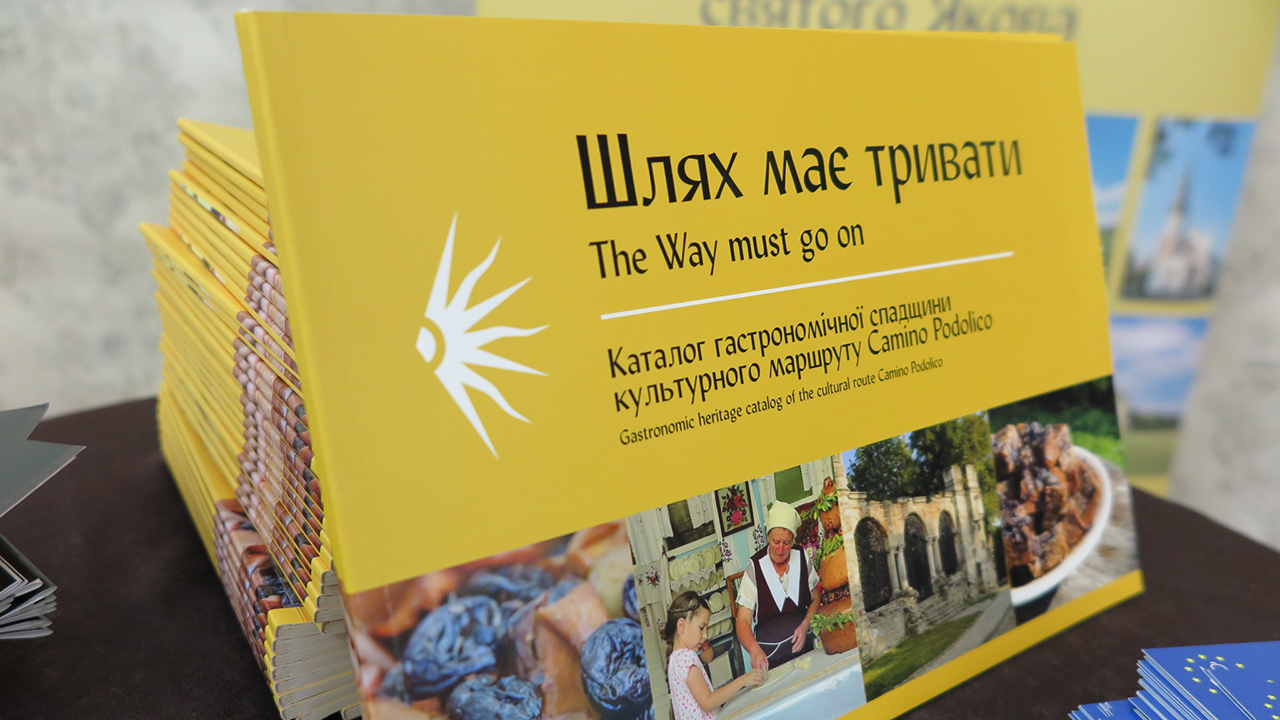
Part of the world-famous pilgrimage Saint James Way, which is the first certified European cultural route, was created in Podillya. The Camino Podolico team has prepared a catalog of dishes that can be tasted at the stops along the route to get to know the local culture better for the pilgrims who walk on its path and for all those who wish to do so.
What is the Saint James Way?
The Saint James Way is an ancient pilgrim route, which thousands of people walk every year. It stretches through many European countries for hundreds of kilometers. The pilgrimage route leads to the resting place of one of the apostles – the Saint James. It has been known since 9th century. However, during Middle Ages and constant civil strives, the route fell into decay. Its restoration began in the early 1980s. Images from popular books and films also influence the increase in the number of pilgrims. Of course, the main thing in walking the path remains the religious component, but now not only believers can go through it.
Nowadays, pilgrims receive a passport that confirms the passage of the stages of the Saint James Way, and at the very end, as confirmation of its passage, they get a certificate. The Way has to be covered on foot, by bicycle or on horseback, and travelers spend the night in specially equipped places (albergues), where they charge up to 12 euros for an overnight stay. They eat mostly in bars along the road, because there is a special pilgrim menu, which consists of two main dishes, bread, dessert or coffee and wine or water (price is around 8-10 euros). So, it’s important to have places like this, known to pilgrims.
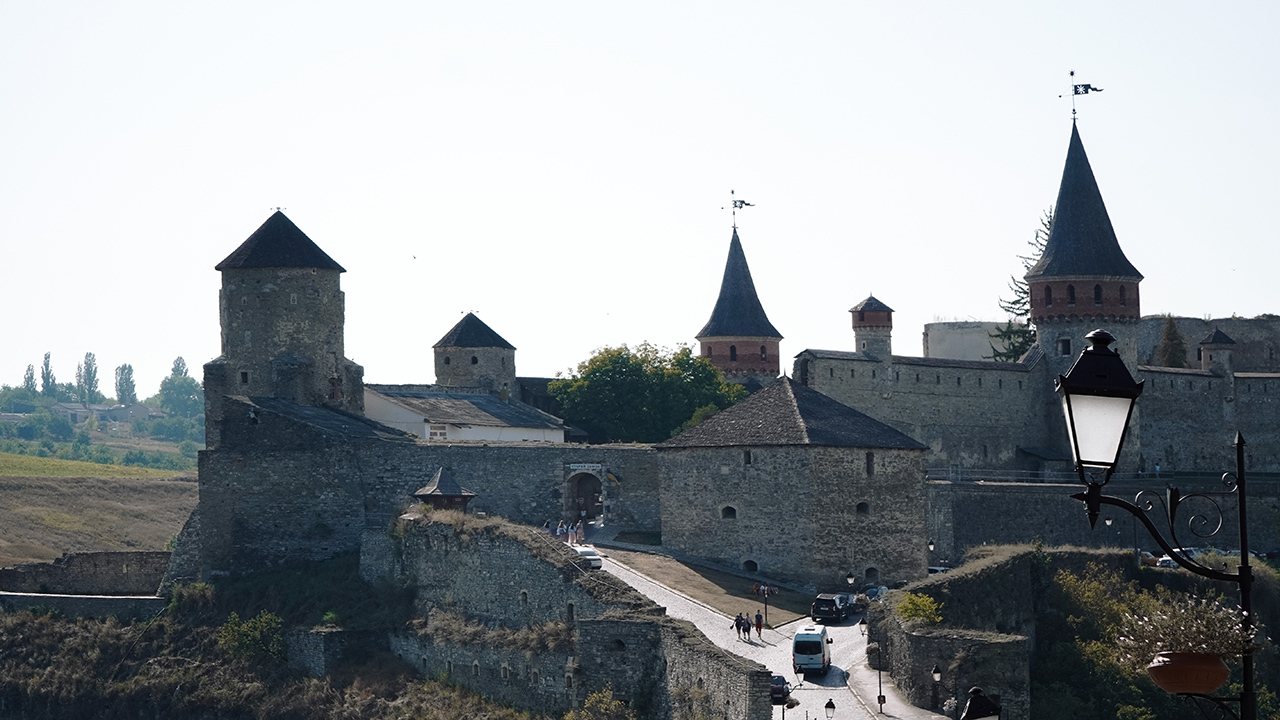 Kamianets-Podilskyi. The Fortress
Why Ukraine?
The territory of Ukraine is inextricably linked with many pilgrimage routes since the beginning of the Middle Ages. The first part of Camino in Ukraine was created between Lviv and the village of Shehyni in 2015, but it wasn’t continued further to the Via Regia route. In Podillya, the Saint James Way passes through picturesque places with the infrastructure for food and overnight accommodation every 20-25 km. Its length is 252 km, the path can be completed in 12-14 days. The route promotes the communities of Vinnytsia and Khmelnytskyi regions as the tourist attraction among local and foreign tourists and creates all necessary conditions to develop local business. In June of this year Camino Podolico was accepted into the European Federation of Saint James Way.
Gastronomic catalogue of Saint James Way of Podillya
Recently, a gastronomic catalog of Saint James Way of Podillya was presented in Vinnytsia as part of the "The Way must go on" project. For several months, the project team has been engaged in intangible heritage research in the communities along the route, conducting expeditions and cooking workshops. In total, 10 communities in Vinnytsia and Khmelnytskyi regions were involved during the expeditions. The gastro catalog contains a schematic representation of the route through the region, a brief description of the history of the region, places of stops and dishes next to each stop.
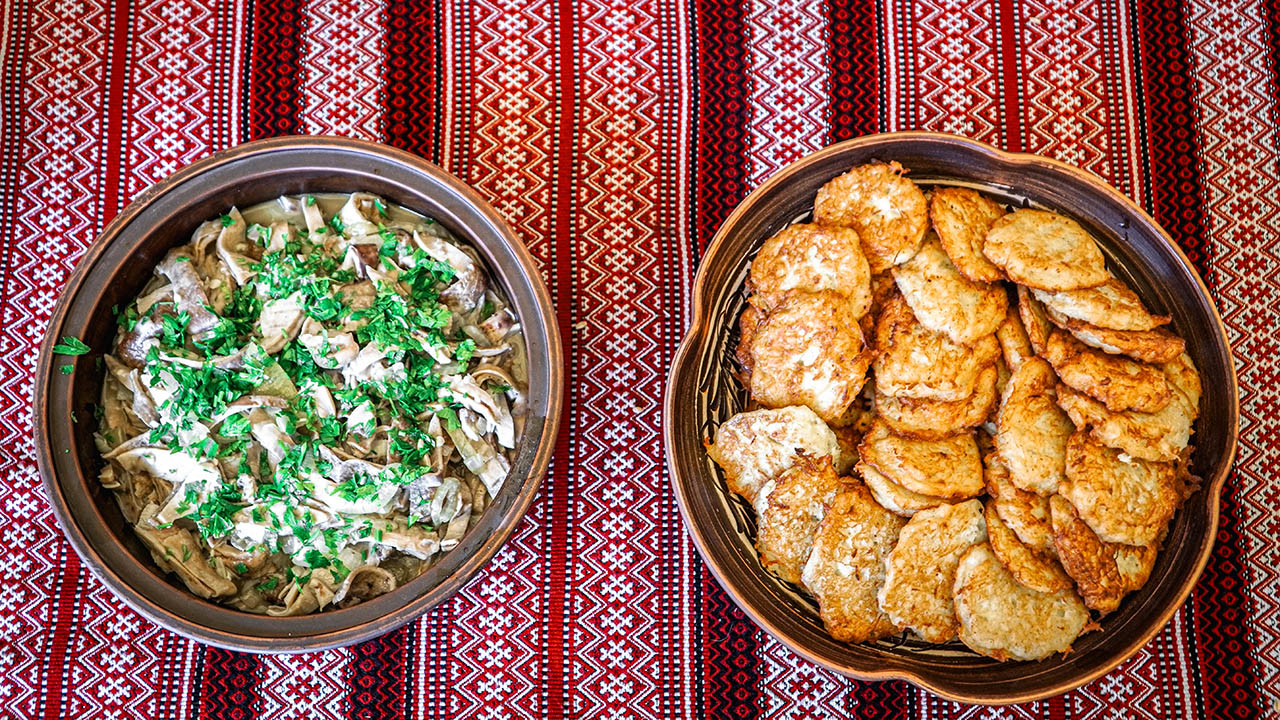 Hnivan. Voroshylivka tripes and potato pancakes
The route starts in Vinnytsia, where the travelers are offered cherry borscht, stuffed chicken necks or old Vinnytsian soup with veal in dough. Voroshylivka (Hnivan community) will treat you to stomach tripes and potato pancakes, and Brailiv will present you korovay and pickled cucumber stew. Zhmerynka surprised with a combination of varenyky with cherries in jelly and stuffed fish. Severynivka will cook urvantsi from dough and fried crucian carps for you. And in Bar you will have the opportunity to taste holubtsi from the time of Queen Bona and milk jelly.
Before visiting Mrs. Halyna Korzhak to taste korovay of Velykyi Oleksandriv in Vinkivtsi (it’s truly big – it has three floors), the authors recommend to get some refreshments at the local market and provide you with the recipe of local sandwiches: take Vinkivtsi bread, buy some tomatoes, pepper and local cheese and combine everything together. In this particular recipe from "wild pilgrims" you can feel the reality of the difficult pilgrimage journey.
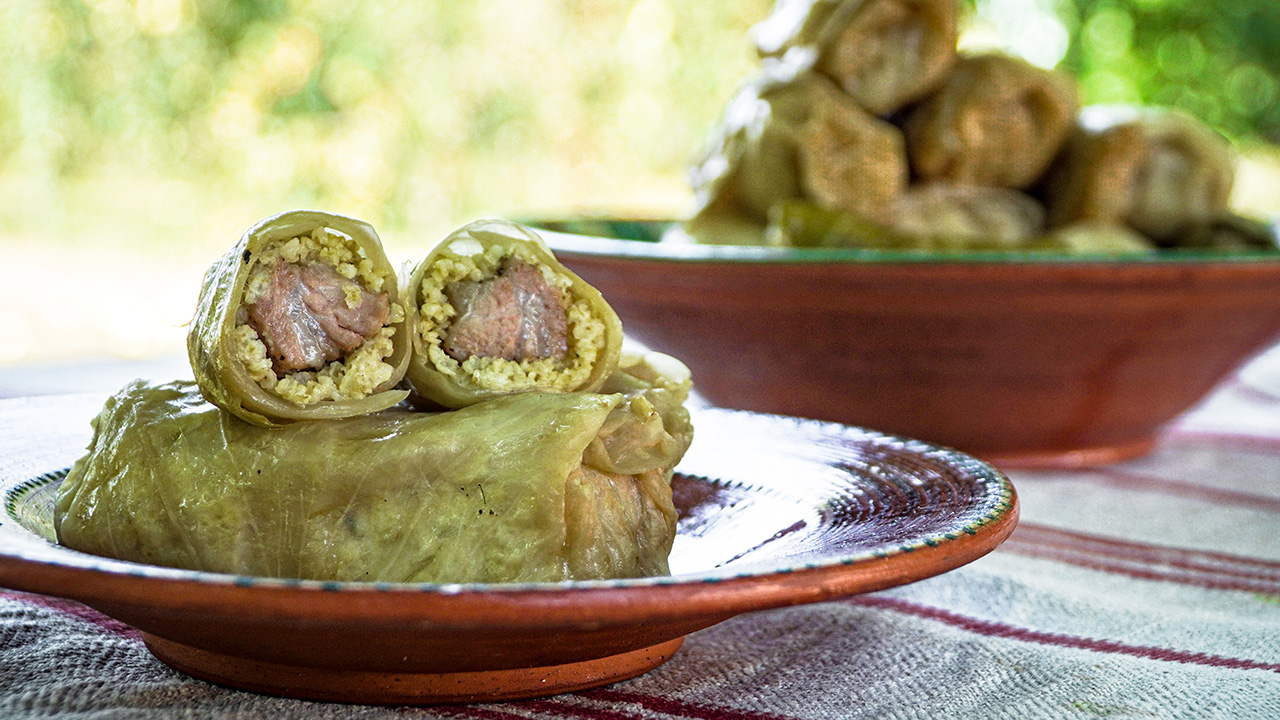 Bar. Holubtsi from the time of Queen Bona
Big thanks to the authors for phrases such as “Mrs. Natalia”, “Halyna Pylypivna Diakova” in the block “Taste the dish here” in the catalogue. This block begins with restaurants and cafes in Vinnytsia and other cities, but when it comes to smaller settlements, you do not immediately notice these addresses, phone numbers and names of people or even museums that are ready to receive pilgrims and treat them to urvantsi (zatirka), carps or milk jelly. Behind every address in the catalogue, you can feel warmth, which is waiting for you in the communities.
One of the most interesting dishes in the catalogue is probably white borscht from Maliivtsi. The peculiarity of this borscht is in the ingredients and the process of preparation. It starts with water, meat, potatoes and cabbage, then you should add unusual for borsht dried fruits (apples, pears, prunes), and later add sour cream and some fried vegetables. At the same time, there are no beets in the borscht, and the addition of sour cream in the cooking process gives the borscht an unusual white color.
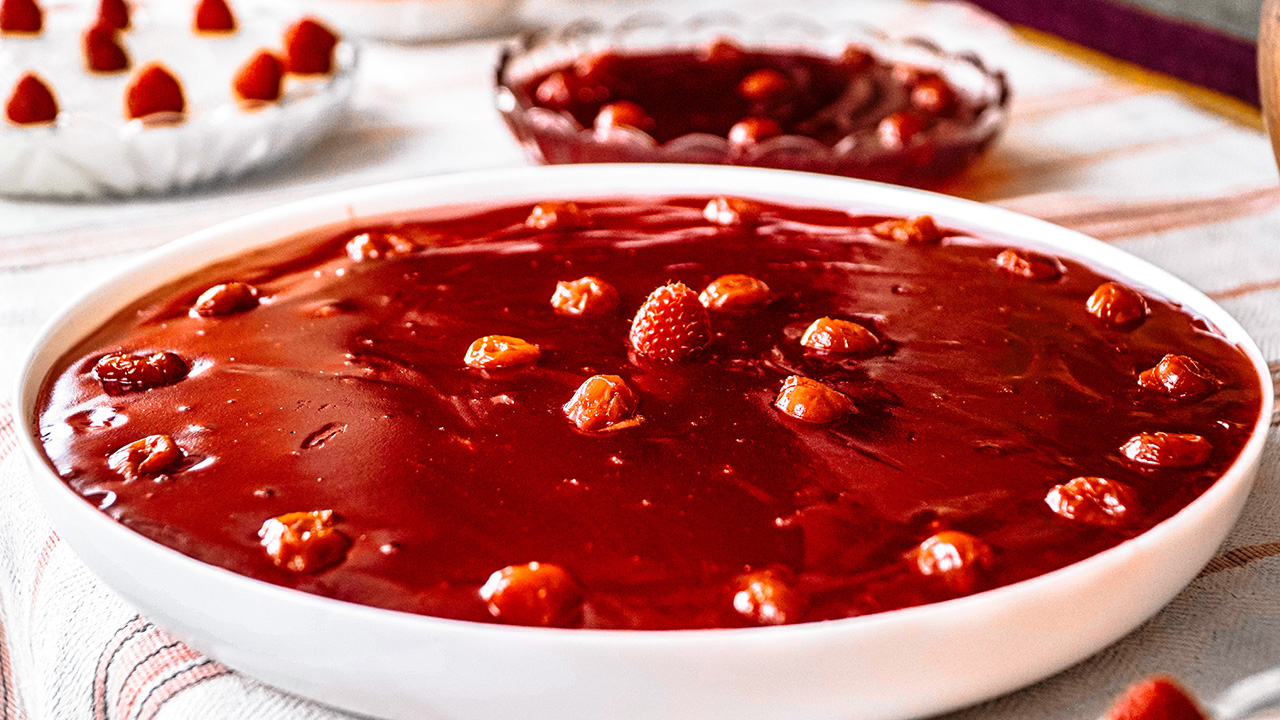 Bar. Cherry and milk jelly
We decided to ask the experts of the “The Way must go on” project about the idea to create gastro catalogue, food in tourism and popularization of the region, their finding during the research.
Tetiana Karoieva – doctor of sciences in history, historian, professor
Why is Saint James Way and its restoration important for Ukraine?
- Ukraine has always been a part of Saint James Way and its most eastern point was Lviv. Via Regia is a route of kings to mark certain types of roads, which in Medieval Europe were directly subordinated to the king and also were under his protection. Podillya is a traditionally pilgrim region, even in the Middle Ages, there were routes to the Holy Land through Constantinople here, and this is about the pilgrimage of different denominations and cultures and their mixing.
How does food influence tourism and what is the importance of it for travelers?
- It’s about preserving and promoting the European cultural heritage. The restoration of the Path in Europe in recent decades has made it possible to raise the issue of preserving cultural heritage, to research regional peculiarities, and to talk about them. Food is the first way to introduce yourself to a traveler. When people travel around some territory, they not only look at architecture, stop to take pictures, but also stay for a night, talk to locals and eat local food. Through this exchange, a story about one's culture takes place.
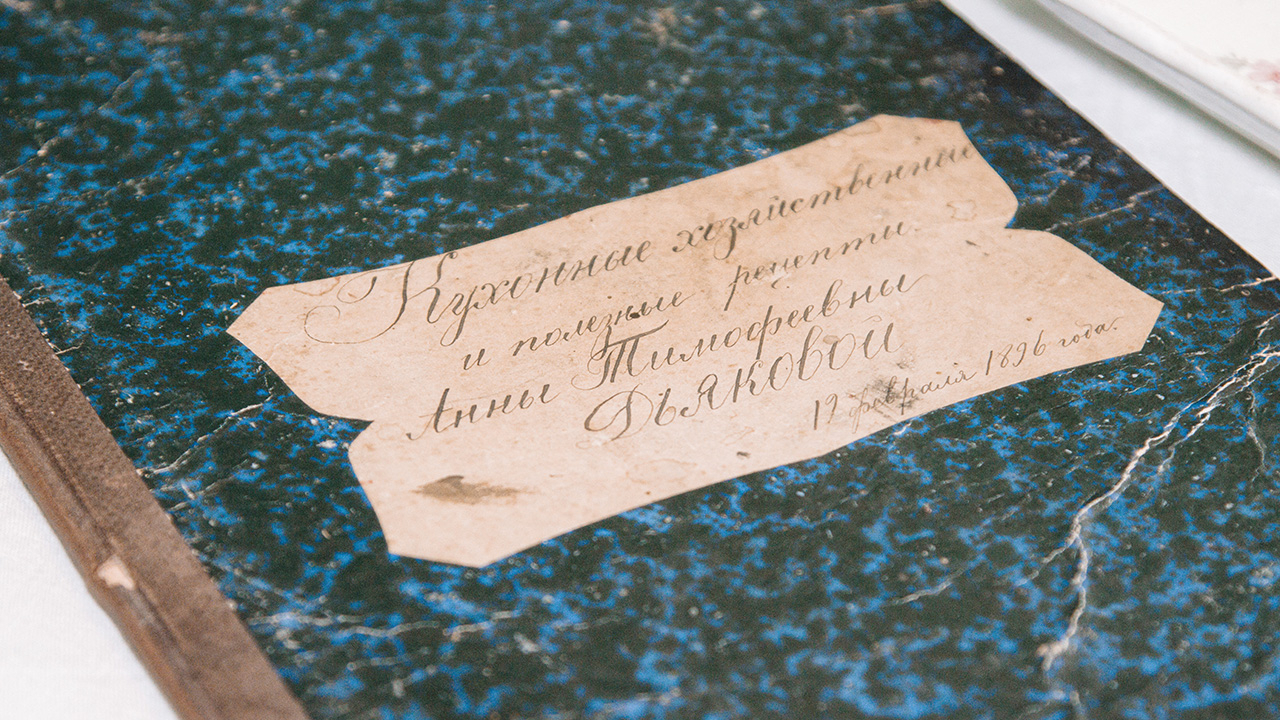 Zhmerynka. The vintage 1896 recipe book
What is the importance of creating the Camino Podolico gastro catalogue?
- Creating catalogue like this is about urban food culture, the ethnic diversity of the Jewish, Polish and Ukrainian cuisine, about the creation of a new Ukrainian urban cuisine that is formed naturally, on its own in the homes of people who left the rural environment and, in the city, (Vinnytsia - ed.) are now starting to prepare their own, but from new products. Taking, adapting, preparing dishes of foreign origin and all this creates a new Ukrainian cuisine.
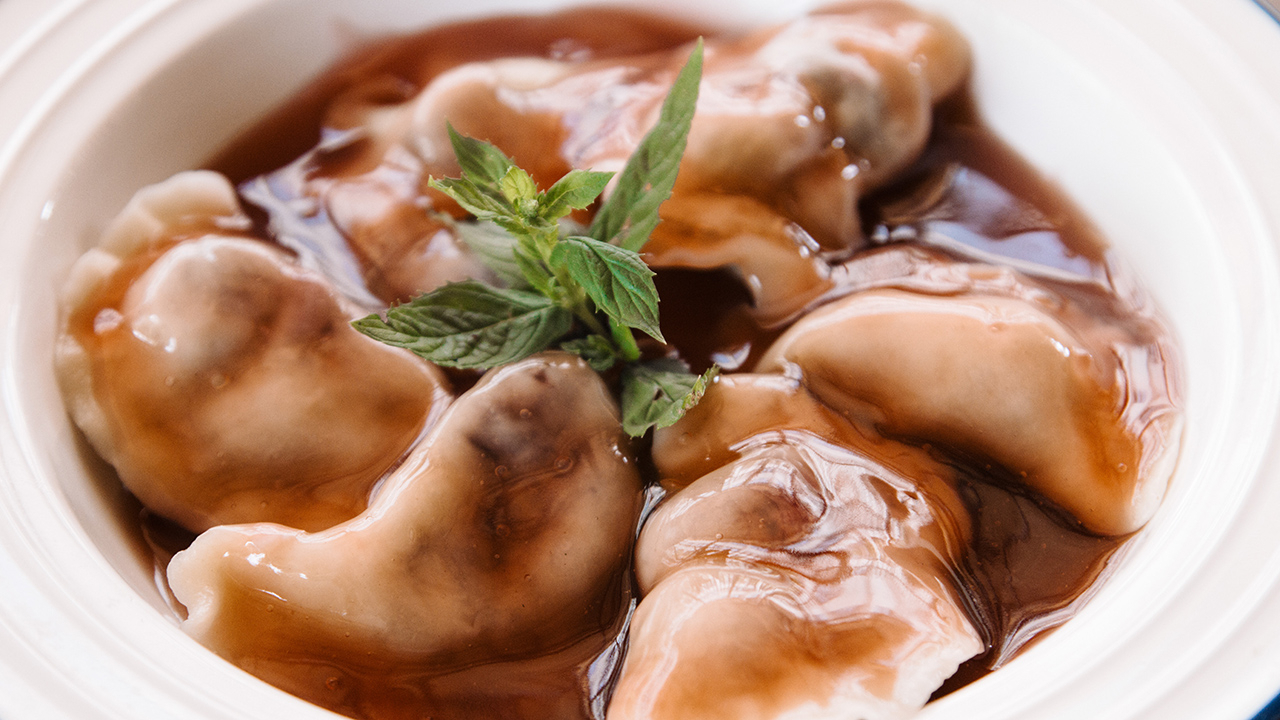 Zhmerynka. Varenyky with cherries in jelly
Svitlana Tsyhankova – the head of the division of tourism development at Vinnytsia City Council
How did the idea of creating a gastro catalogue come about?
- The idea to create a gastro catalogue was formed last year, when we talked to the teacher and traveler from Vinnytsia Natalia Rybak. In 2022 she walked the Spanish Saint James Way and brought here a gastronomic passport – a leaflet, which promoted the dishes of that route. Olena Pavlova, the researcher of Podillya cuisine, had a wish to create something similar on our Podillya Way, which was temporary put on hold because of the full-scale aggression.
Why is local food so important for tourism?
- Using local products, the history of dishes helps not only to expand culinary horizons but also to get to know the culture, traditions and way of life of the communities. The residents themselves recognize these dishes, the traditions of their preparation and the technology of production as their own living heritage. Local culinary traditions can be the basis to develop the food industry and to encourage the local businesses – the example of this we can see in Vinnytsia, Hnivan, Bar, Zinkiv and Kamianets-Podilskyi.
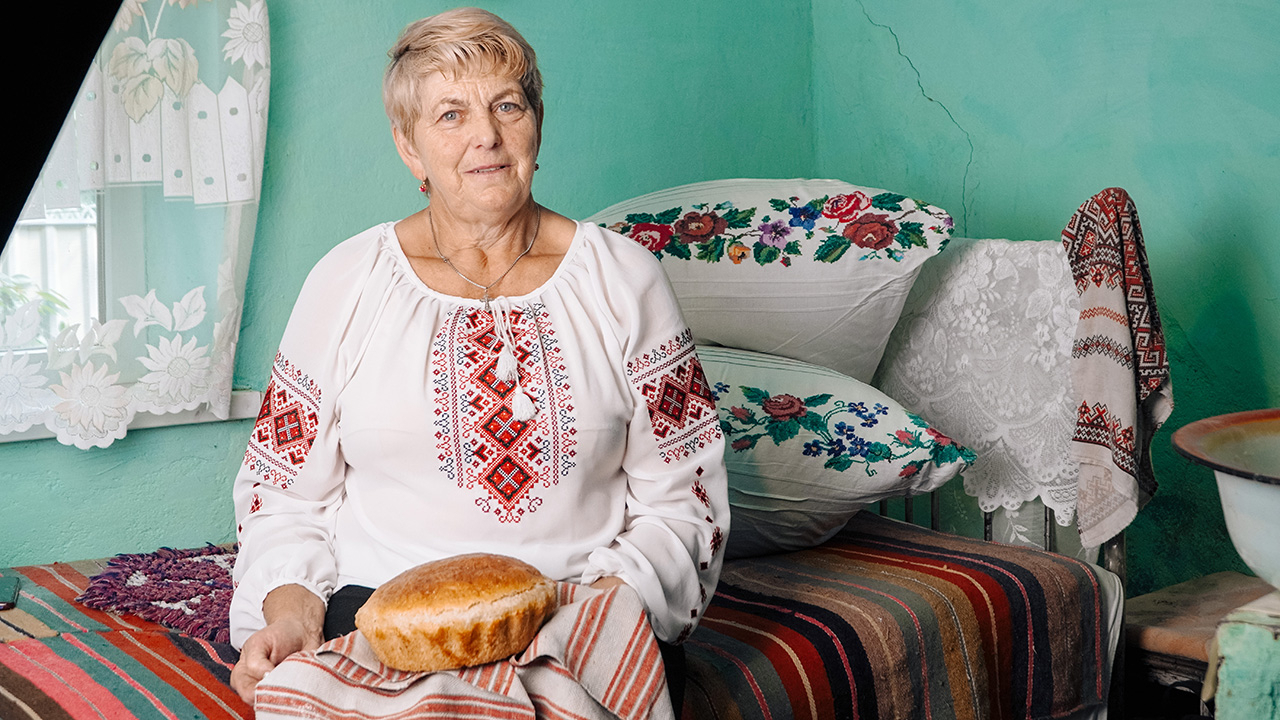 Severynivka. Bread
What is the importance of creating a gastro-catalogue of St. Jacob's Way for Vinnytsia? And how does it affect the tourist potential?
- During the expedition we collected more than 20 authentic recipes with reference where they can be tasted: either in restaurants/cafes, or by prior order. So, the catalogue is an amazing tool for promoting the cultural heritage of territorial communities: old Vinnysian soup and cherry borscht, Brailiv picked cucumber stew, Zhmerynka varenyky in jelly, Maliivtsi white borscht or Kamianets-Podilskyi fish pidpalka. On the one hand, the catalog will be useful for pilgrims who will walk the Way, on the other hand, it will stimulate gourmets, food and travel bloggers to walk the Way and get to know Podillya cuisine.
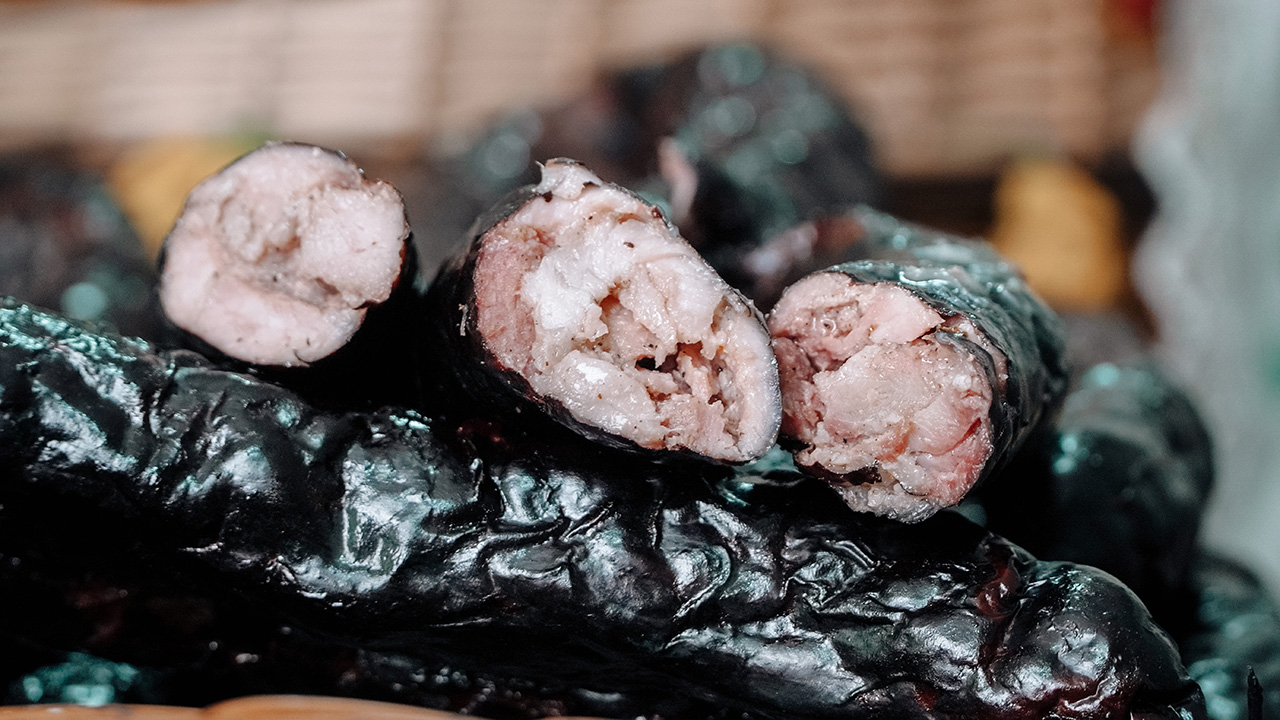 Zinkiv. Zinkiv black sausage
Olena Pavlova, gastro-enthusiast, co-founder of the NGO "Club of Podillya cuisine"
What does the creation of a gastro catalog provide for Vinnytsia and other communities and why is it important?
- I believe that catalogues like this give the opportunity to dive deeper into the culture of the region, village or town. Through gastronomy, through communication at the dinner table, to stay longer in the community, perhaps to get off the Path for a while, but to understand more about the history and culture of these places. For example, the village of Karmalyukove, where the old-fashioned way drying fruits, is a story about the hard work and hard earnings of women, many of whom were put behind bars during the USSR, because it was considered "speculation".
How does the project help to promote intangible cultural heritage through food?
- It is too early to talk about it now, we have explored the potential, but it is not yet known how the communities will use it. But let's be optimistic and be glad that these recipes have already been preserved for future tourists.
 Zhmerynka. Karmaliukove village, smoke drying of plums
What was the most memorable dish when preparing the gastro catalog?
- My favorite dish is pyrizhky with peas in Brailiv, large, fried, with garlic. And ripe tomatoes, still warm from the sun. I went the Way in search of recipes, but I didn't even think how interesting this adventure would be. From overripe cherries, to young raw corn that we ate right in the field, from simple and familiar dishes, such as, for example, varenyky to korovay and legendary "cucumbers", to which poems and songs were dedicated by the hostesses themselves.
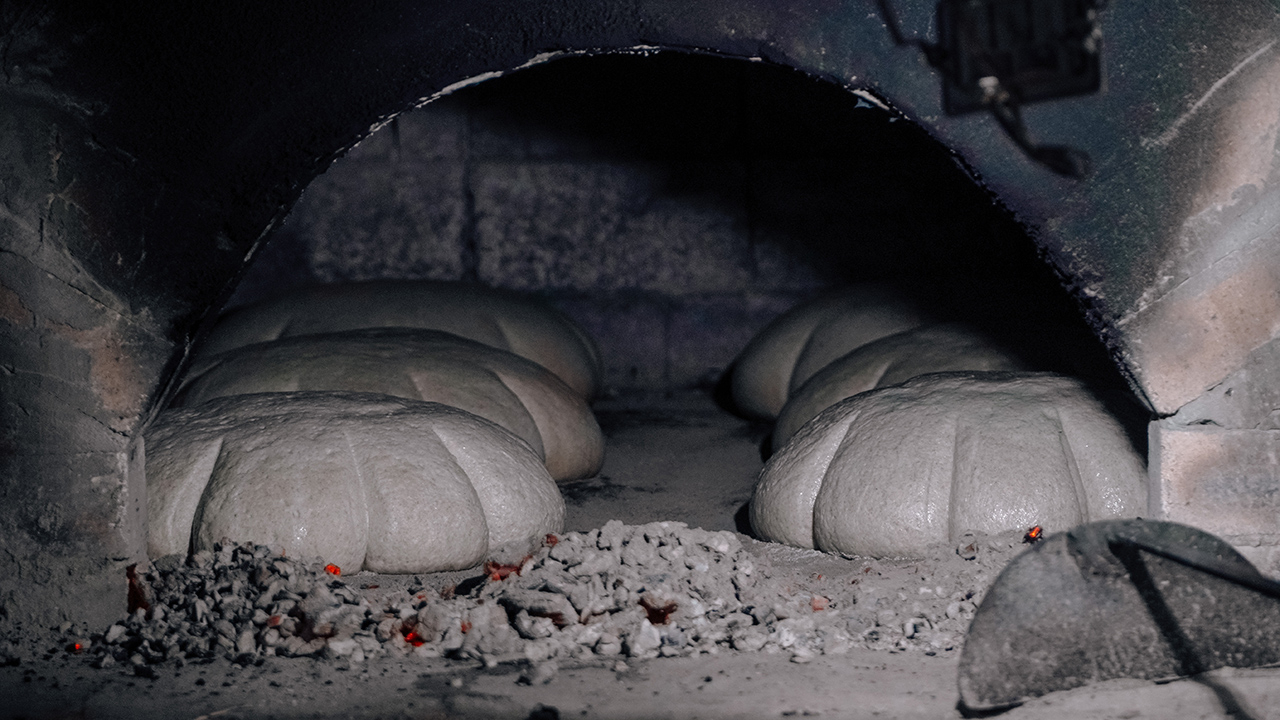 Zinkiv. The process of baking bread
It is worth noting that most of the involved authors of the gastro-catalogue are academic historians, local historians, ethnographers with many years of experience and knowledge of the local culture of Podillya.
You can read, learn about the history of dishes, try to cook them or walk the Way through flavors at the link.
The gastronomic catalog of Saint James Way "The Way must go on" has great potential for the study of intangible cultural heritage, contributes to its preservation and popularization.
So, the way must go on…Let’s go! Let’s taste!
The material is published under the rights of advertising and prepared as a part of the grant project "The Way must go on" implemented by the department of city marketing and tourism of the Vinnytsia City Council with the support of the European Union and the Council of Europe.
The views expressed herein can in no way be taken to reflect the official opinion of the European Union or the Council of Europe.
Photos are provided by the Camino Podolico team.